Falkirk, Scotland · Property Care Guides
Add more insulation, block the airflow, and your loft can quietly turn into a damp box.
What this guide covers
Key Takeaways
- Warm, damp air from kitchens, bathrooms and utility rooms rises into the loft and condenses on cold surfaces if it can’t escape.
- Condensation looks different from a leak: it’s spread widely, worst after cold nights, and shows as droplets, damp felt and black mould.
- Most cold pitched roofs need a continuous gap of about 10mm at the eaves on both sides, or 25mm on shallow roofs of 15° or less.
- The most common cause is insulation pushed into the eaves, and it’s a free fix to pull it back.
- More insulation without airflow can make condensation worse, so treat the two as a pair.
Most of us only visit the loft to fetch the Christmas decorations. That’s a shame, because what’s happening up there can quietly affect your heating bills, your timbers and even your health.
This guide explains ventilation in loft spaces in plain English. You’ll learn the warning signs, a 10-minute check you can do yourself, and the fixes that work, from free ones to professional upgrades. It’s written for homeowners in Falkirk, Livingston, Bathgate and the surrounding area.
Ventilation in Loft: Why It Matters
Every home makes moisture. Cooking, showering, drying clothes and even breathing all add water vapour to the air. The Scottish Government’s building standards guidance names the kitchen, bathroom and utility room as the three places where most moisture is made.
Warm air rises, and it carries that moisture up through ceiling gaps, light fittings and the loft hatch. If the loft is cold and the air can’t move through, the moisture settles on the coldest surfaces, like the underside of the roof felt. The same guidance warns that condensation can damage the building and support mould, and that damp insulation loses some of its thermal performance.
Scottish winters make this more likely, and the guidance notes that climate change may make condensation worse in roof spaces. Good airflow is the simple fix: it carries damp air out before it can settle.
Signs Your Loft Isn’t Breathing
Poor ventilation often hides in plain sight. Here’s what to look for when you open the hatch.
Droplets and damp patches on the felt, especially in the morning and near the ridge. Dark or black spots on rafters or stored boxes, which suggest mould. Damp, flattened insulation that feels heavy rather than fluffy. A musty smell when you open the hatch. Rusty nail tips poking through the roof, sometimes with frost on them in a cold snap.
Loft Condensation vs a Roof Leak: How to Tell
Loft condensation and a leak can look alike, but they behave differently. The table below helps you tell them apart.
| Clue | Condensation | Roof Leak |
|---|---|---|
| Where it shows | Spread widely, often worst near the ridge | One localised wet patch or trail |
| When it appears | After cold nights, even when it hasn’t rained | During or after rain |
| What you see | Droplets on nails, damp felt, black mould | Staining that traces back to a tile, flashing or valley |
| Usual fix | Airflow, moisture control and clear eaves | Repairing the tile, flashing or valley above |
Some lofts have both problems at once. If you’re not sure which you have, get someone to look before you spend money on either fix.
The 10-Minute Loft Check
You don’t need special tools to get a first impression. Do this on a dry, daylight morning with a torch.
Your 10-Minute Check
Five things to look at, in order
Stay on boarded areas or look from the hatch. Never step between the joists, because the ceiling below won’t take your weight. If the loft isn’t boarded or you’re not confident, ask a professional to do the check for you.
What Good Loft Ventilation Looks Like
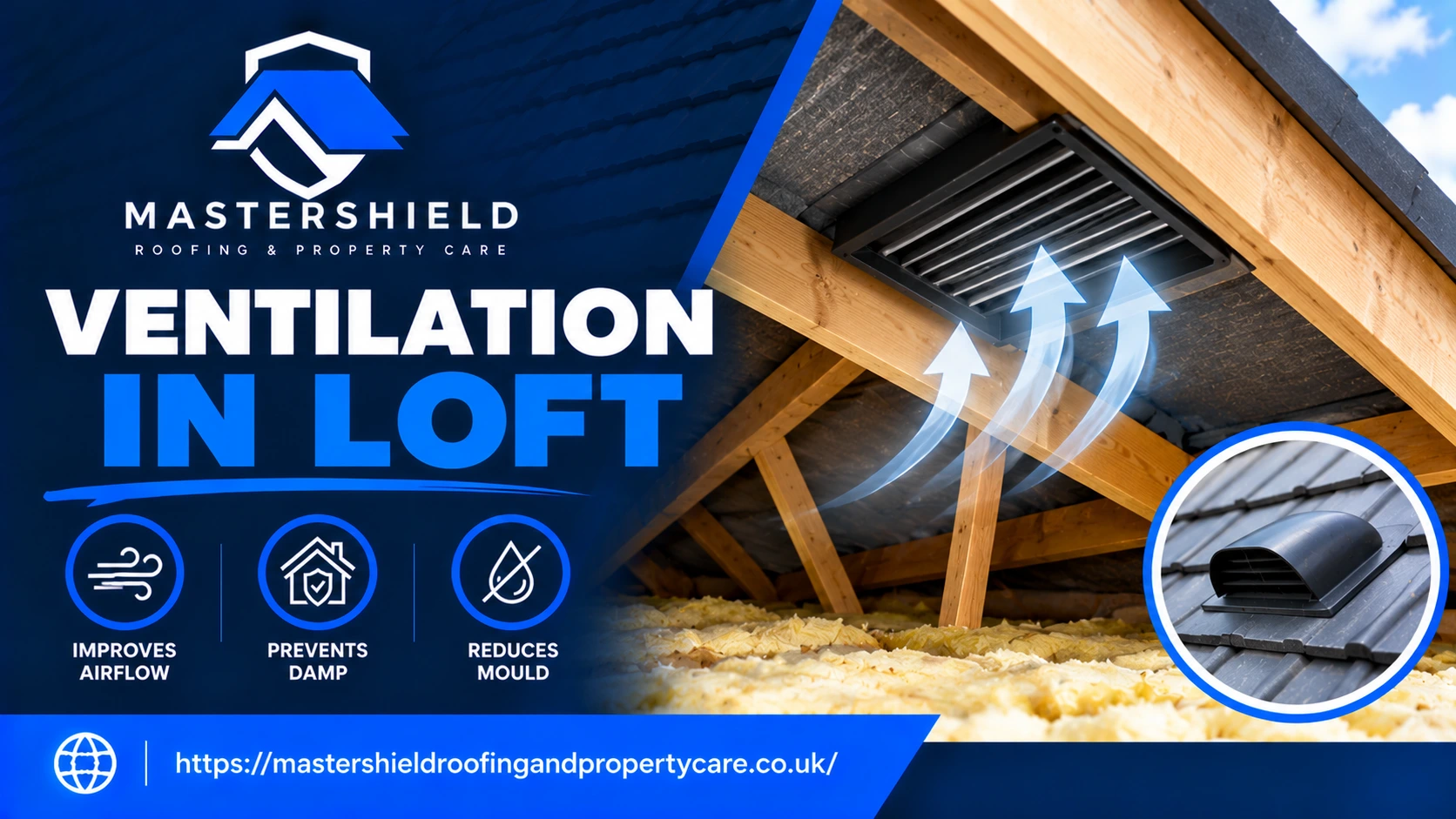
Good ventilation in loft spaces means fresh air comes in low, at the eaves, and damp air leaves higher up. Where insulation sits at ceiling level, the Scottish handbook says the roof space should be cross-ventilated, and it points to BS 5250 for the details. Here are the typical figures for a cold pitched roof.
| Roof Pitch | Typical Eaves Ventilation | High-Level Ventilation |
|---|---|---|
| Over 15° | A continuous 10mm gap on both sides | Often a continuous 5mm gap at the ridge on steeper, wider or lean-to roofs |
| 15° or less | A continuous 25mm gap on both sides | Ask a professional to assess it |
Treat these as a guide, not a design. Roofs with room-in-the-roof spaces or coombed ceilings, which are common in older Scottish homes, need special care. The airflow paths are easy to block, so it’s worth getting advice before changing anything.
Fixes, From Free to Professional
Start with the cheapest fixes. Many lofts improve with nothing more than a bit of tidying.
The Fix Ladder
Work from the bottom up and stop when the problem clears
If your roofline needs work, the uPVC fascias and soffits team can fit ventilated soffits, which feed fresh air into the eaves. Tile and ridge vents involve lifting roof coverings, so they’re a job for the roof repairs team.
Fitting a ridge vent while the eaves are still blocked. A vent at the top can’t pull air through a roof that has no way in at the bottom, so clear the eaves first.
Insulation and Ventilation: Getting the Balance Right
It’s tempting to keep adding insulation to save on heating. That’s a good instinct, but more insulation makes the loft colder, and a colder loft with poor airflow is more likely to get condensation. The most common problem is insulation pushed hard into the eaves during a top-up, which blocks the very vents that keep the roof dry.
The answer isn’t less insulation. It’s insulation laid properly, with the eaves left clear. Our guide on why roof insulation matters in Falkirk covers the warmth and energy side of the story.
Why You Can Trust This Guide
Written from real, hands-on property care experience in Falkirk
Written by a specialist
This guide is written by Farooq Mir, drawing on Mastershield Roofing & Property Care’s hands-on loft and roofline work across Falkirk, Livingston and Bathgate.
14+ years of local experience
Mastershield has carried out roof and property maintenance work across the Falkirk area for over fourteen years.
Checked against official guidance
Advice here is cross-checked against the Scottish Government’s building standards handbook and the NFRC.
Free, itemised quotes
Every recommendation here leads back to the same standard Mastershield applies on-site: a free inspection and a clear, itemised quote.
For the official position, the Scottish Government’s building standards guidance on condensation explains why ventilation matters in cold pitched roofs. Roofers who belong to a recognised trade body such as the National Federation of Roofing Contractors understand how roof construction and ventilation work together. You can also read more about Mastershield’s experience across Falkirk, or head to the roofing Falkirk service page to see the full range of work covered, including in Livingston and Bathgate.
Frequently Asked Questions
How do I know if my loft has poor ventilation?
Look for droplets or damp patches on the roof felt, black mould on timbers or stored items, damp or flattened insulation, a musty smell when you open the hatch, and frost on nail tips in cold weather. These signs are often worst near the ridge and after cold nights.
How much ventilation does a loft need?
Most cold pitched roofs need a continuous gap of about 10mm at the eaves on both sides when the pitch is over 15°, or 25mm when it’s 15° or less. Some roofs also need a 5mm gap at the ridge. Check the figures for your own roof with a professional.
Is condensation in the loft normal?
A little condensation on very cold mornings isn’t unusual. Persistent damp, mould or wet insulation is a warning sign that the loft isn’t getting enough airflow or is receiving too much moisture from the house below.
Can loft insulation cause condensation?
It can, if it blocks the eaves or makes the loft colder without enough airflow to carry moisture away. Laying insulation properly, with the eaves left clear, avoids the problem.
Should bathroom and kitchen extractor fans vent into the loft?
No. Extractor ducts should discharge outside the building. Venting into the loft pumps warm, damp air straight into the roof space and is one of the most common causes of heavy condensation.
Can I get a free loft ventilation check in Falkirk?
Yes. A free, no-obligation inspection is the best way to find out whether your loft needs better ventilation, and what the right fix would be for your roof.
Get Your Loft Checked Properly
Book a free, no-obligation inspection and get a straight answer on your loft’s airflow, with a clear plan and no pressure.
Get Your Free Quote →